

THE THINGS MONEY CAN’T BUY
READ 1 TIMOTHY 6:6-11
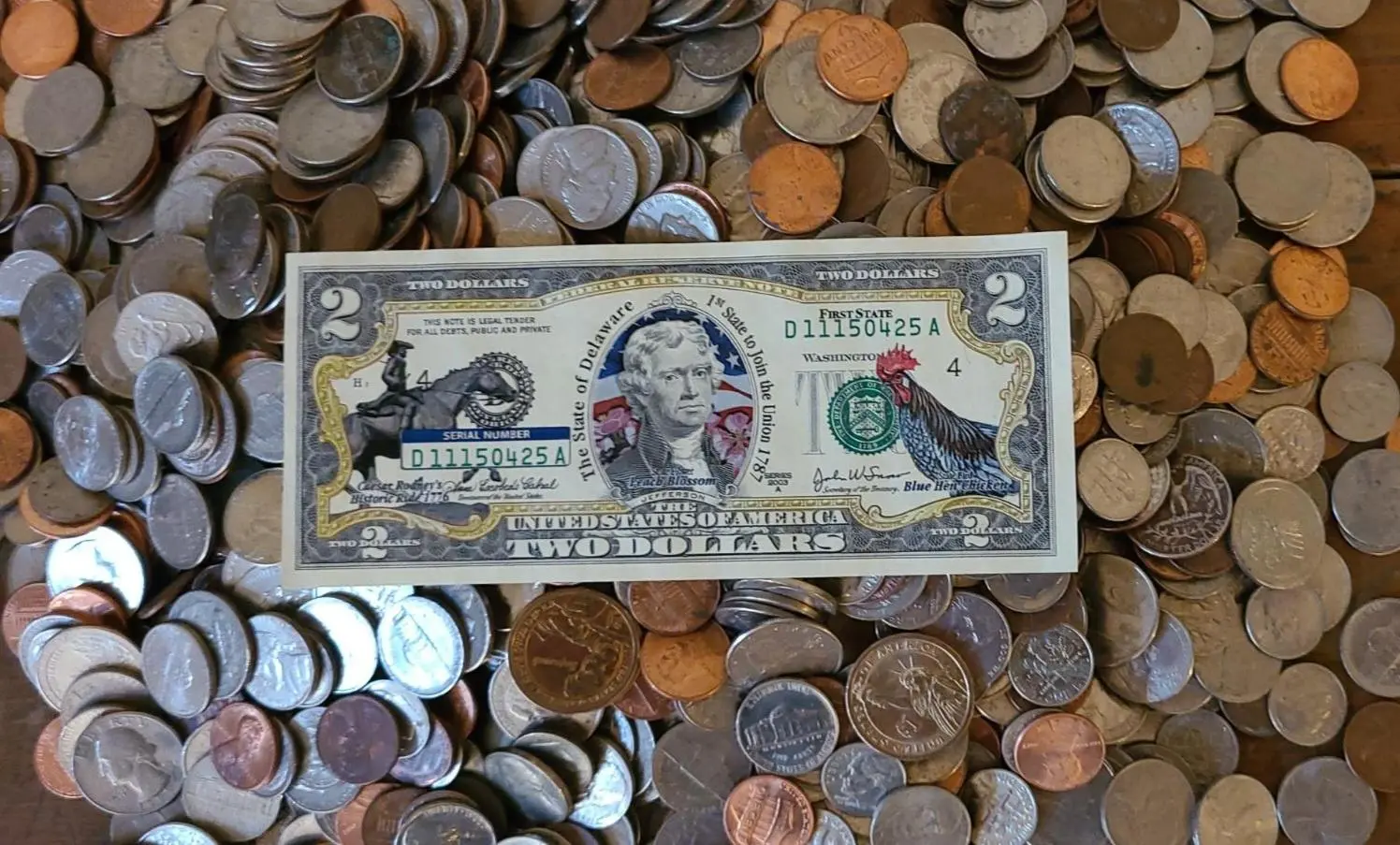
The $2 bill has a long history in America dating back to 1862 when it was first printed and circulated. Obscure as it is now, back then it was a hefty sum of money. The bill bearing the portrait of Thomas Jefferson was discontinued in 1966. To celebrate America’s Bicentennial, the U.S. Treasury brought the bills back into print in 1976.
Most people who have $2 bills nowadays don’t spend them. Instead, they store them away, saving them as collector’s items, in hopes they will someday increase in value. Except for some extremely old, rare mints though, the current value remains at $2.
Currency is typically regarded as a means of purchasing goods and services using government issued banknotes or coins. In everyday society, money is a means of obtaining things that we need to live. People determine their own appetites for what they think they need and what they are willing to do to acquire money. The scramble to obtain money can induce people to easily cross moral lines into immoral or illegal means depending on their personal desire for “more.”
The Apostle Paul cites this propensity to break the rules for the cause of money this way. “And if we have food and covering, with these we shall be content. But those who want to get rich fall into temptation and a snare and many foolish and harmful desires which plunge men into ruin and destruction. For the love of money is a root of all sorts of evil, and some by longing for it have wandered away from the faith and pierced themselves with many a pang.” (1 Timothy 6:8-10)
Money itself is not an evil thing. The way our society operates, money is a necessity. The love of money is the vision or aura of money in which we picture wealth enhancing us. This is the imaginary picture that can drive us. In our minds, if money is everything, then we mentally crown it “king.” The scripture warns that the dark side of this singular focus can plunge us to the depths of financial ruin and self-destruction.
There is another wrong view of money that, in our piety, is also wrong. The view that money is nothing, that those who pursue it are materialistic, and we are spiritually better than them implies that personal poverty is noble or even godly. Unfortunately, our wrong view cuts us off from using our worldly success to help others, the true definition of godliness.
This wrong view enables people to adopt lazy nonchalance to support themselves. Refusing to work in the workplace is not a way to trust God to supply our needs. In fact, it spurns that faith. The Bible strongly condemns laziness and refusal to work. “If anyone will not work, neither let him eat. For we hear that some among you are leading an undisciplined life, doing no work at all, but acting like busybodies.” (2 Thessalonians 3:10-11)
Both mindsets, “money is everything” and “money is nothing” are extremes to be avoided because they are not the way that leads to true happiness, peace, and contentment. Money does not soothe our soul. It does not quiet our heart from the daily noise. Nor does it halt our anxieties or solve our problems. On the other hand, idleness makes us unproductive and immature. Instead, we need Christ to come and relieve our burdens from our worldly existence.
Hear the words of Christ Jesus who beckons us to come to Him and enjoy rest in His arms. “Come to Me, all you who are weary and heavy-laden, and I will give you rest. Take My yoke upon you, and learn from Me, for I am gentle and humble in heart; and you shall find rest for your souls. For My yoke is easy, and my burden is light.” (Matthew 11:28-30) He promises to release us from the pressure and worries of life that can consume us. Whether our cares are due to the abundance of money or the lack of it, Jesus opens His arms to take our stress upon Himself. We can trust Him to work things out and bring us through difficult times. Rest for our souls is not just wishful thinking. This is a true reality that can be ours. The value of Christ’s power and compassion is something that currency, no matter what denomination, cannot buy.
